EVEREST
exposed
The Untold Story of Everest's
Environmental Reckoning
A Feature Documentary Film
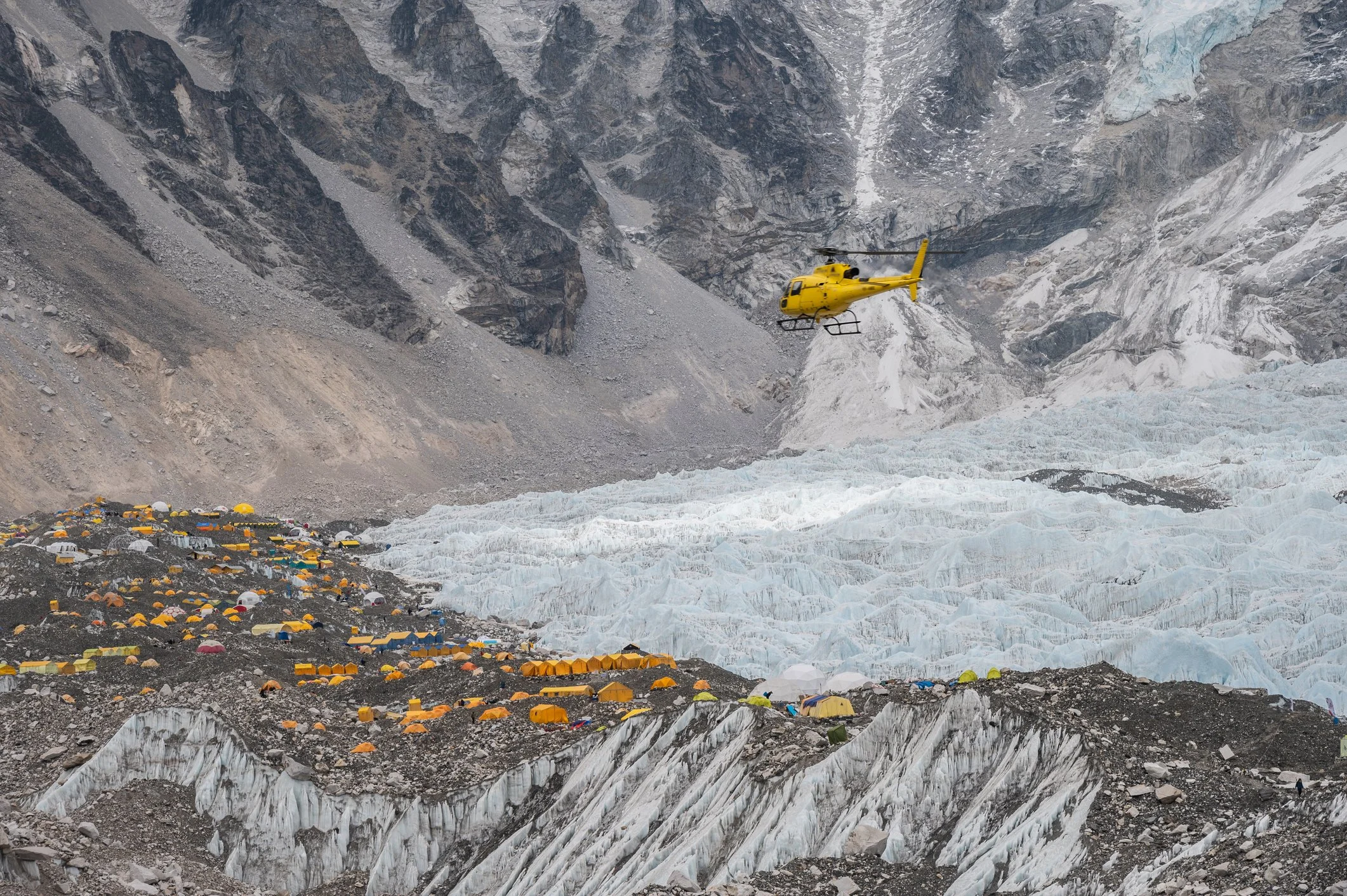
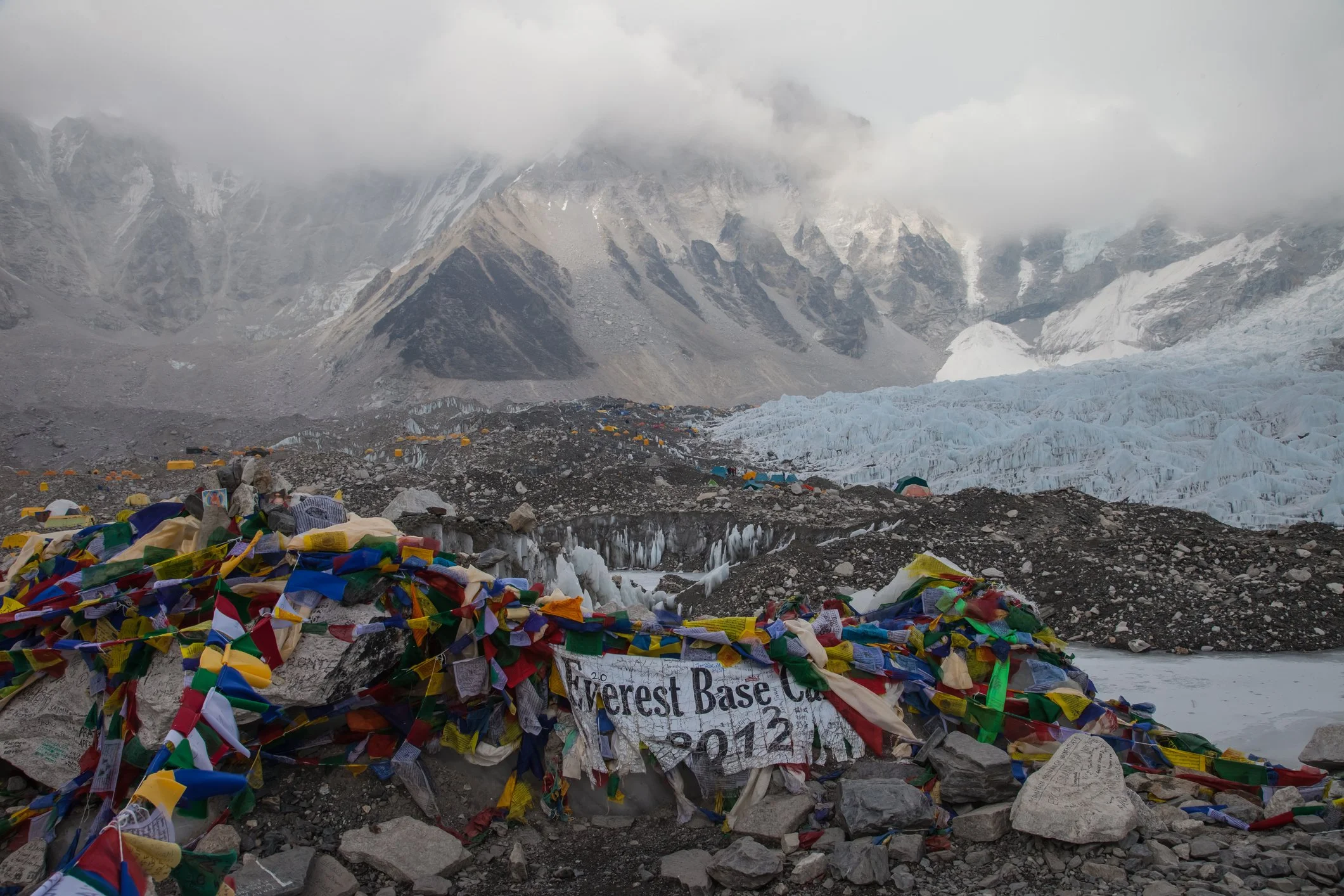
As glaciers around Mt Everest retreat due to global warming, decades of buried equipment, discarded waste, human remains, and forgotten artifacts, are being revealed.
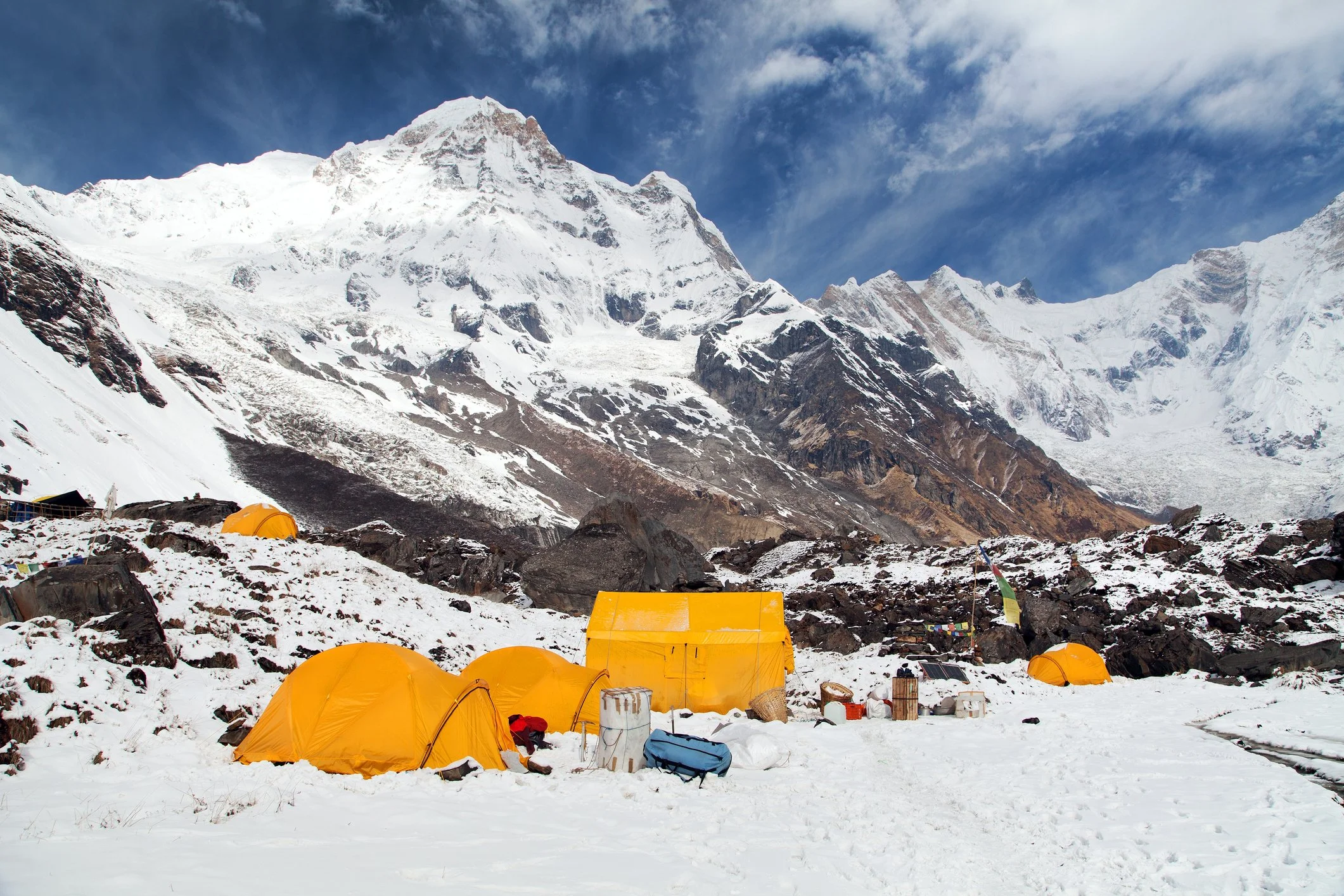
In addition to this old trash and waste, Everest Base Camp can see up to 20,000 climbers, trekkers and support staff pass through each season that adds to the buildup of waste.
Everest Exposed This important documentary, directed by renowned filmmaker and mountaineer Thom Pollard, will dig deep into one of the most compelling environmental stories of our time and ask several simple but profound questions such as:
What emerging technology is that that can help with the past and future waste issue on Mt Everest?
What are we willing to leave behind and what are we willing to take responsibility for?
Why do we use sophisticated waste technology in our cities, yet one of the world's most iconic natural environments still relies largely on people carrying waste down the mountain by hand?
What can the melting glaciers teach us about our changing planet?
Who is responsible for the waste left behind? The climbers & trekkers? Or another group?
Why do people treat wilderness differently when ambition, money, and status are involved?
Can technological innovation help reverse decades of environmental damage and reduce waste in the future?
more
than a
mountain
story
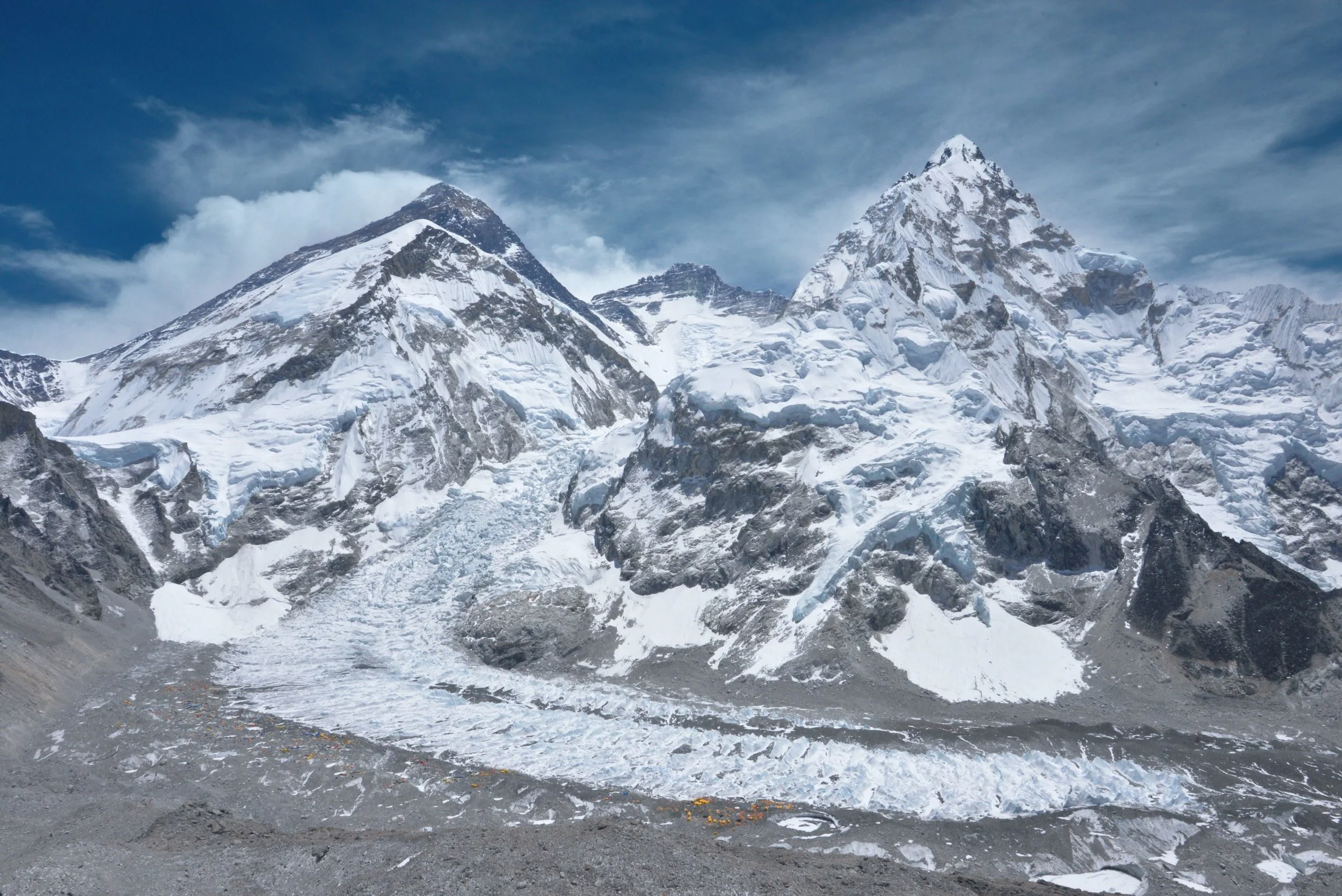
Mt Everest presents one of the world's most extraordinary waste-management challenges.
There are no roads. Infrastructure is minimal. Waste decomposes slowly in extreme conditions, while melting glaciers expose the environmental consequences of decades of climbing.
This is not simply a story about Everest. It is a story about climate change, tourism, human behavior, and the choices we make about the places we value most.
Everest isn't just a place where people are cleaning up old waste; it can become a model for using technology to understand, measure, and improve environmental stewardship in some of the world's most remote and fragile ecosystems.
Everest:
A Living
Laboratory
As the mountain changes, Everest has become a unique test bed for innovation.
EverestExposed explores emerging technologies including:
Heavy-lift cargo drones
The biggest recent development. Nepal-based Airlift Technology has flown DJI FC 30 heavy-lifters between Base Camp and Camp 1, airlifting 660lbs of trash down during a single spring season, after removing 1,500lbs on nearby Ama Dablam. In 2026 the technology returned as a likely permanent fixture, flying oxygen and ropes up and bringing garbage and human waste down in ~12-minute flights over the Khumbu Icefall. This also cuts the number of dangerous human trips through the Icefall.
Compostable/
biodegradable
waste bags
Chemically treated bags that dry and solidify waste, already used in Antarctica and on Denali, now required above Base Camp.
Water refill systems
Real and expanding. A network of safe water refill stations has been established at teahouses between Lukla and Gorak Shep, selling far cheaper purified water than bottled, and single-use plastics.
Note: Gavin is the CEO of Madison Mountaineering Foundation which has raised money for a Water ATM in Namche Bazaar and is planning two more in 2027.
Reflect Orbital
Makes clean, abundant energy available on demand.
Reflect Orbital exists because reliable access to affordable energy is the foundation of human progress, economic growth, and a healthier planet.
(Note Appendix 1)
Solar-powered biogas digesters
Self-contained units using concentrated solar thermal energy to process human waste at high altitude, an emerging concept given human waste accumulation exceeding 5,400 kg annually and its links to water contamination.
(Note Appendix 2)
Urine-to-water filtration
A 2023 concept plan for a sustainable Everest base camp included unisex portable urinals with multi-use filters that convert urine into usable water, alongside ideas for converting human feces into ash. This is the "incinerating toilet" concept that has been proposed, not installed at scale.
This film will explore whether solutions developed on Mt Everest can become models for protecting remote communities and fragile environments around the world.
The mountain has become a laboratory for studying ambition, responsibility, environmental ethics, and the complex relationship between exploration and conservation.
Against one of the most spectacular landscapes on Earth, the documentary explores how our individual choices collectively shape the future of places we all share.
the
storytellers

Thom Pollard
One of the world's most respected Everest filmmakers, Thom Pollard, has spent more than three decades documenting the Himalayas. He has filmed multiple Everest expeditions, summited the mountain himself, and served as the high-altitude cameraman on the historic 1999 expedition that discovered the remains of George Mallory.
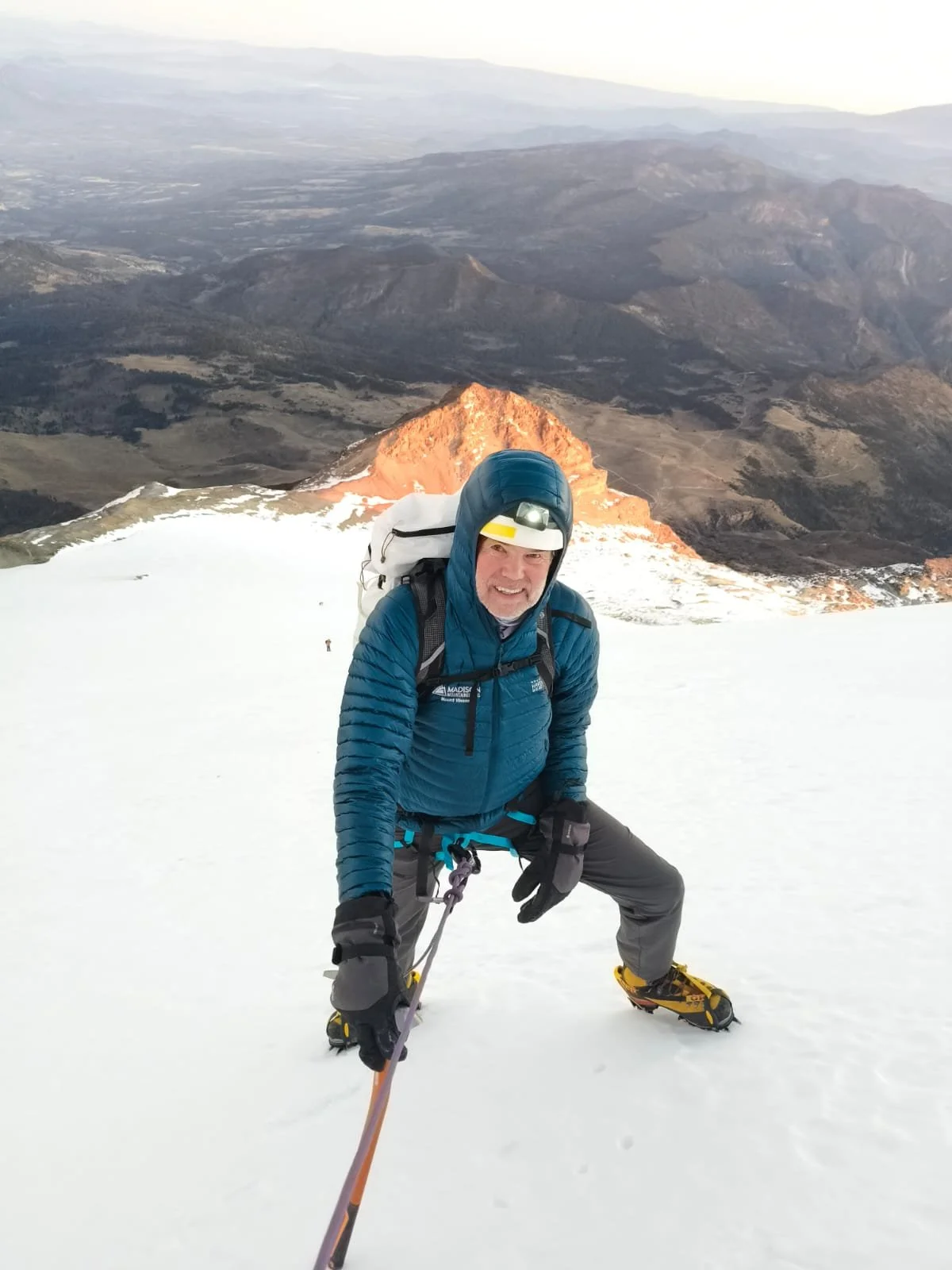
Gavin Attwood
Mountaineer, nonprofit executive, and CEO of the Madison Mountaineering Foundation, Gavin Attwood leads initiatives dedicated to removing waste and restoring mountain environments around the world.
Why This Film
Matters
Climate change and human behavior
is rewriting the story of Mount Everest.
Everest Exposed is not about Everest.
It is about all of us.